استخدامات الذكاء الاصطناعي
28 يونيو 2023
212
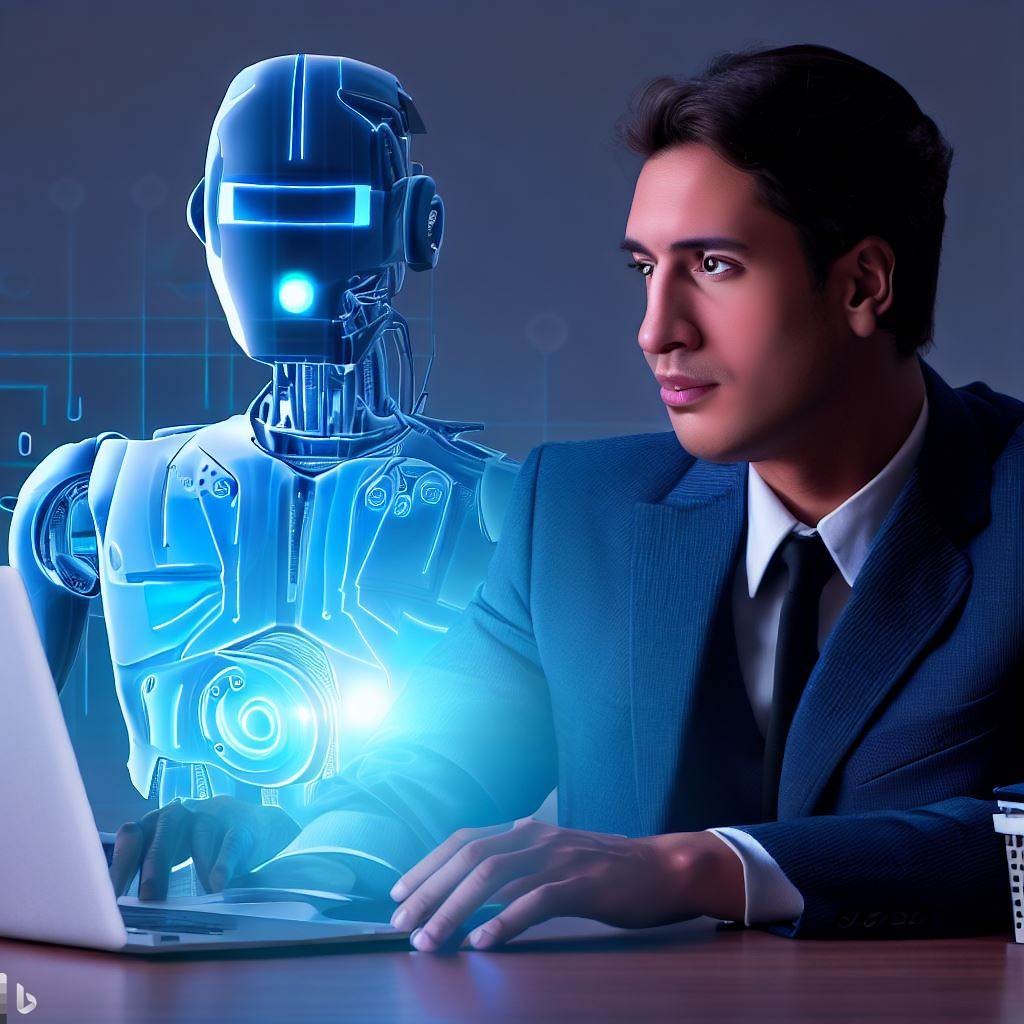
الذكاء الاصطناعي ذاك العلم الذي بات ينافس ذكاء الإنسان، ابتداءً من التفكير و اتخاذ القرارات إلى التنفيذ، فما هي استخدامات الذكاء الاصطناعي؟
هذا ما سيكون محور حديثنا اليوم، فلا تفوِّت قراءة هذا المقال الشيّق و المليء بالمعلومات الجديدة.
إنّ استخدامات الذكاء الاصطناعي في التعليم هي أحد الأساليب الحديثة التي تستخدم من أجل تخصيص تجارب مختلفة لمجموعات التعلّم
إضفاء الطابع الشخصي
يقصد بإضفاء الطابع الشخصي على التعليم كإحدى استخدامات الذكاء الاصطناعي هو معرفة ما يقوم الطالب بفعله و ما لا يعرفه أيضًا، و من ثم إحداث جدول شخصي لكل طالب مع مراعاة ما يسمّى بـ ” الفجوات المعرفية “.
و للقيام بهذا العديد من الشركات تقوم بتدريب ” أنظمة الذكاء الاصطناعي ” الخاصة بها، و هي مسلّحة بنظريات فضاء المعرفة، و ذلك من أجل تحديد الفجوات المعرفية و تمثيلها و من ثم مراعاة مدى تعقيد و تشابك العلاقات العلمية المفاهيمية فيما بينها.
إنتاج محتوى ذكي من استخدامات الذكاء الاصطناعي في عملية التعليم إنتاج محتوى ذكي. نتعرّف على أبرزها
دروس رقمية
يمكن إنشاء ما يسمّى ” واجهات التعلّم الرقمية ” مع الكتب المدرسية الرقمية و خيارات التخصيص و الدروس الصغيرة و أدلة الدراسة.
تصوّر المعلومات
يمكن ابتكار طرق جديدة من أجل فهم و إدراك المعلومات. فعلى سبيل المثال : المحاكاة و التصوّر و بيئات الدراسة التي تستند إلى الويب.
حديثات محتوى التعليم
إلى جانب ما ذكر مسبقًا يساهم الذكاء الاصطناعي في إنشاء محتوى التعليم وتحديثه. و من ثم أيضًا الحفاظ على المعلومات و تخصيصها من أجل منحنيات التعلّم المختلفة، مثل: الطب أو الهندسة.
المشاركة في إتمام المهمات
إحدى استخدامات الذكاء الاصطناعي في التعليم إحدى استخدامات الذكاء الاصطناعي في عملية التعليم هي المشاركة في إتمام المهمات بشكل فعّال جدًا و بسرعة كبيرة فيما إذا قارنا بالأساليب القديمة.
تسهيل المهام الإدارية،
يعتبر من أهم الأمثلة على استخدامات الذكاء الاصطناعي، حيث يعتبر تقييم الطلاب و تصنيفهم و من ثم الرد عليهم هو عبارة عن نشاط مستهلك للوقت و لكن باستطاعة المدرّس أن يقوم بتحسينه من خلال استخدام الذكاء الاصطناعي. فمثلًا : هل تتذكر التلميحات التي يقوم البريد الإلكتروني في الرسائل بتوفيرها لك والتي يقوم بإنشاؤها حسب النظرة العامة على رسائلك السابقة و الحالية إضافة إلى بعض الأساسيات لمفردات العمل، سيكون رائع جدًا أن تمتلك مثل هذا الخيار في أي منصه تعليم أو أي نظام إدارة تعلّم و توفر لك أهم الردود بالفعالية و السرعة.
وصول التعليم لطلاب الاحتياجات الخاصة أو ذوي الهمم
من استخدامات أو تقنيات الذكاء الاصطناعي هي ابتكار طرقًا جديدة من أجل التفاعل الطلاب الذين يعانون صعوبة التعلم. حيث يمنح الذكاء الاصطناعي وصول التعليم إلى طلاب الاحتياجات الخاصة أو ذوي الهمم، مثل : ضعاف البصر أو ضعاف السمع أو الصم أو الأشخاص المصابون بالتوحد.
عملية التدريس المتطورة
من استخدامات الذكاء الاصطناعي في التعليم إنَّ برامج الدراسة الشخصية المتطورة تقوم باستمرار بالأخذ بعين الاعتبار الفجوات التي يجب على الطلاب أن يقوموا بملئها خلال الدروس الفردية. إنَّ الدعم الشخصي و التدريس للطلاب خارج فصلهم الدراسي يساعد على مواكبتهم للدروس العلمية و بالتالي توفير الوقت على أبويهم من أجل شرح العلوم أو الهندسة الفراغية مثلًا.
في حين أنَّ المدرسون الذين يقومون باستخدام الذكاء الاصطناعي في عملية التعليم وقتًا جيدًا، فهم لا يحتاجون إلى قضاء المزيد من الوقت في شرح الموضوعات الصعبة لطلابهم مثلًا! ثم إنّ روبوتات الدردشة التي تعمل بواسطة الذكاء الاصطناعي أو المساعدين الافتراضيين الشخصيين للذكاء الاصطناعي يمكن للطلاب أن يتجنَّبوا أمر الشعور بالحرج عندما يقومون بطرح سؤال ما أو استفسار ما أمام زملائهم.
استخدامات الذكاء الاصطناعي في الطب
إنّ الذكاء الاصطناعي حقق نجاحًا باهرًا بل تقدمًا مدهشًا في مختلف الجوانب الطبية، مثل : الأدوية، التشخيص، و التكنولوجيا الحيوية و غير ذلك الكثير لذا فيما يلي سنتحدث عن أهم استخدامات الذكاء الاصطناعي في الطب : · تشخيص الأمراض هناك الكثير من الحالات التي يستغرق تشخيصها فترات طويلة قد تصل إلى سنوات عديدة، و هي بالطبع عملية شاقة و طويلة، و ربما تكون سببًا لصعوبة إنقاذ حياة مريضٍ ما، إضافة إلى أنها عملية تجعل الضغط يخيّم على الأطباء و يسيطر عليهم، و لكن ساهم الذكاء الاصطناعي في إحراز تقدمًا كبيرًا في عملية ” تشخيص الأمراض “، و التي أصبحت عملية أقل تكلفة و أكثر سهولة. و إحدى طرق تشخيص الأمراض التي كانت إحدى استخدامات الذكاء الاصطناعي في الطب هي : التصوير المقطعي المحوسب.
التصوير بالأشعة السينية. التصوير بالرنين المغناطيسي. الجينوميات و البروتيوميات. الإنجازات الطبية التي حققتها الطرق التشخيصية دور التصوير المقطعي المحوسب في الكشف عن السكتة الدماغية و سرطان الرئة.
دور تصوير العيون في تعيين مؤشرات ” اعتلال الشبكية السكري “. دور التصوير بالأشعة السينية في تمييز الأمراض الجلدية. تعزيز قدرة الأطباء على كتابة بيانات المرضى و تجهيز ملفاتهم. دور التصوير بالرنين المغناطيسي في تقييم خطر الإصابة بأمراض القلب أو موت القلب المفاجئ. ولكن من المهم جدًا أن نذكر بأنّ ما ذكر أعلاه لن يغني أبدًا عن الطبيب و تشخيصه للأمراض.
تطوير الأدوية نعرف جميعًا بأنّ عملية تطوير الأدوية بعد اكتشافها عملية صعبة و طويلة جدًا، إلى جانب أنها عملية مكلفة، و لكن بتقنيات الذكاء الاصطناعي في الطب ساهمت في جعل عملية تطوير الأدوية أكثر كفاءة. و ذلك من خلال ما يلي : تحديد ” أصل المرض البيولوجي “. تتبع أثر التركيبات على الجزء الذي يتطلَّب العلاج و من ثم اختيار الدواء الأنسب و ذلك بعد ترشيح عددًا من الأدوية للعلاج.
تسريع ما يسمّى بـ ” عملية التجارب السريرية “
تحسين عملية ” مراقبة التأثير الدوائي “.
تخصيص المؤشرات الحيوية بواسطة عملية تشخيص الأمراض و من ثم تجريب الدواء المخصص.
تعديلات الجينات تعتبر عملية تعديل الجينات هي عملية معقدة و مكلفة، و لكن من استخدامات الذكاء الاصطناعي هي المساهمة في تحسين عملية تعديل الجينات و تحريرها، إلى جانب ضمان تعرّض العملية إلى آثار جانبية قليلة.
تعزيز خطة العلاج من الجدير بالذكر بأنّ استجابة أجسام المرضى للخطط العلاجية و الأدوية يعتمد على عوامل كثيرة، و الشيء الذي قام به الذكاء الاصطناعي في هذا المجال هو تعريف الخطة العلاجية و تحديدها للمريض و ذلك وفقًا للخصائص التي تساعد المريض على استجابته لعلاجٍ ما، الأمر الذي يساهم في تخصيص خطط علاجية خاصة بالمريض و بالتالي التحسين من الكفاءة العلاجية.
أبرز 3 استخدامات الذكاء الاصطناعي في الحياة اليومية بعد معرفة أبرز استخدامات الذكاء الاصطناعي في التعليم و الطب، سنتطرق إلى ذكر استخداماته أيضًا في حياتنا اليومية :
كشف السرقة الأدبية إذا كنت طالبًا في الجامعة أو مديرًا لمحتوى ما أو حتى أستاذًا في المدرسة، قد تواجه مشكلة تصحيح المقالات، و ذلك لأن الإنترنت جعل عملية السرقة الأدبية أكثر سهولة، بسبب وجود عدد هائل من البيانات و المعلومات، و الذي يستفيد من هذا هم الموظفين و الطلاب. حيث بمقدور الذكاء الاصطناعي أن يقوم بعملية تدقيق كبيرة للمعلومات و من ثم مقارنتها مع النص الذي يشبه نص آخر و معرفة فيما إذا كان هذا النص يطابق النص الآخر. إلى جانب التحقق و التأكد من المصادر بالصوت و الصور و باللغات الأجنبية.
2- روبوتات المحادثة إحدى استخدامات الذكاء الاصطناعي في الحياة اليومية هي استخدام الكثير من الشركات لروبوتات المحادثة كأسلوب جديد مبتكر للتفاعل مع العملاء. حيث غالبًا ما يتم استخدام روبوتات المحادثة في الشركات التي لا تمتلك عدد يكفيها من الموظفين للإجابة عن أسئلة العملاء و استفساراتهم. و هذا بالطبع شيء رائع جدًا، و خصوصًا في وقت الازدحام الشديد. 3- تقديم وصفات طبخ قد لا تصدق أنّ بمقدور الذكاء الاصطناعي أن يقدّم وصفة طهي. و على سبيل المثال : قامت شركة Rasa بتطوير نظامًا للذكاء الاصطناعي الذي يعمل على تحليل الطعام و من ثم اقتراح الوصفات و ذلك وفقًا للأغذية أو المكونات الموجودة في الثلاجة. و هذا استخدام رائع للأشخاص الذين لا يحبِّذون تقضية وقت طويل في التخطيط لتحضير وجبة ما. و أخيرًا، يمكن القول بأنّ الذكاء الاصطناعي سيستمر في التواجد في العديد من مجالات الحياة في المستقبل. الأمر الذي سيجعل الحياة تغدو أسهل و أسرع و أكثر إنتاجية.
اخر الاخبار